Stem Cell Therapy for Labral Tears NYC
Advanced Non-Surgical Treatment for Hip Labral Tears Near You in Manhattan

in NYC
Explore Non-Surgical Solutions with Dr. Sonali Lal, M.D.
I am Dr. Sonali Lal, M.D., a board-certified physiatrist with more than 20 years of experience in musculoskeletal medicine, regenerative orthopedics, and interventional procedures. As an Attending Physician at NewYork–Presbyterian Hospital and Assistant Clinical Professor at Columbia University, I specialize in helping patients explore advanced non-surgical treatment options for joint injuries, sports-related conditions, and chronic musculoskeletal pain.
If you have been searching for "stem cell therapy for labral tears near me", you may be looking for alternatives to surgery or trying to understand whether regenerative medicine could play a role in your treatment plan.
Many patients who visit my Upper West Side practice are active individuals who want to remain mobile, continue exercising, and avoid prolonged downtime. They often come to me after receiving a diagnosis of a hip labral tear and want to understand all available treatment options before considering surgery.
Labral injuries can be frustrating because they often affect activities that people take for granted. Walking, climbing stairs, exercising, sitting for extended periods, getting in and out of a car, and even sleeping comfortably may become increasingly difficult.
One of the most exciting developments in regenerative orthopedics is the use of bone marrow-derived biologic therapies, commonly referred to by patients as stem cell therapy. These procedures are designed to support the body's natural healing environment and may be considered for carefully selected patients with certain musculoskeletal injuries.
As a physician specializing in regenerative medicine and interventional orthopedics, I carefully evaluate each patient to determine whether biologic therapies may be appropriate based on their diagnosis, imaging findings, symptoms, and long-term goals. — Dr. Sonali Lal, M.D.

What Is a Hip Labral Tear?
The labrum is a ring of cartilage that surrounds the socket of the hip joint.
Its primary functions include:
Labral tears can develop for many reasons, including: Sports-related injuries, Repetitive hip motion, Femoroacetabular impingement (FAI), Structural hip abnormalities, Trauma, and Age-related degeneration.
When the labrum becomes injured or torn, patients may experience:
Common Labral Symptoms:
Some labral tears produce significant symptoms, while others may be discovered incidentally during imaging studies. This is why a thorough clinical evaluation is essential.
I carefully correlate imaging findings with symptoms and physical examination results because not every labral tear is the primary source of pain. — Dr. Sonali Lal, M.D.
Why Proper Diagnosis Matters Before Considering Stem Cell Therapy
One of the biggest misconceptions I encounter is the belief that every labral tear requires the same treatment. The reality is much more complex.
Hip pain may originate from multiple structures, including:
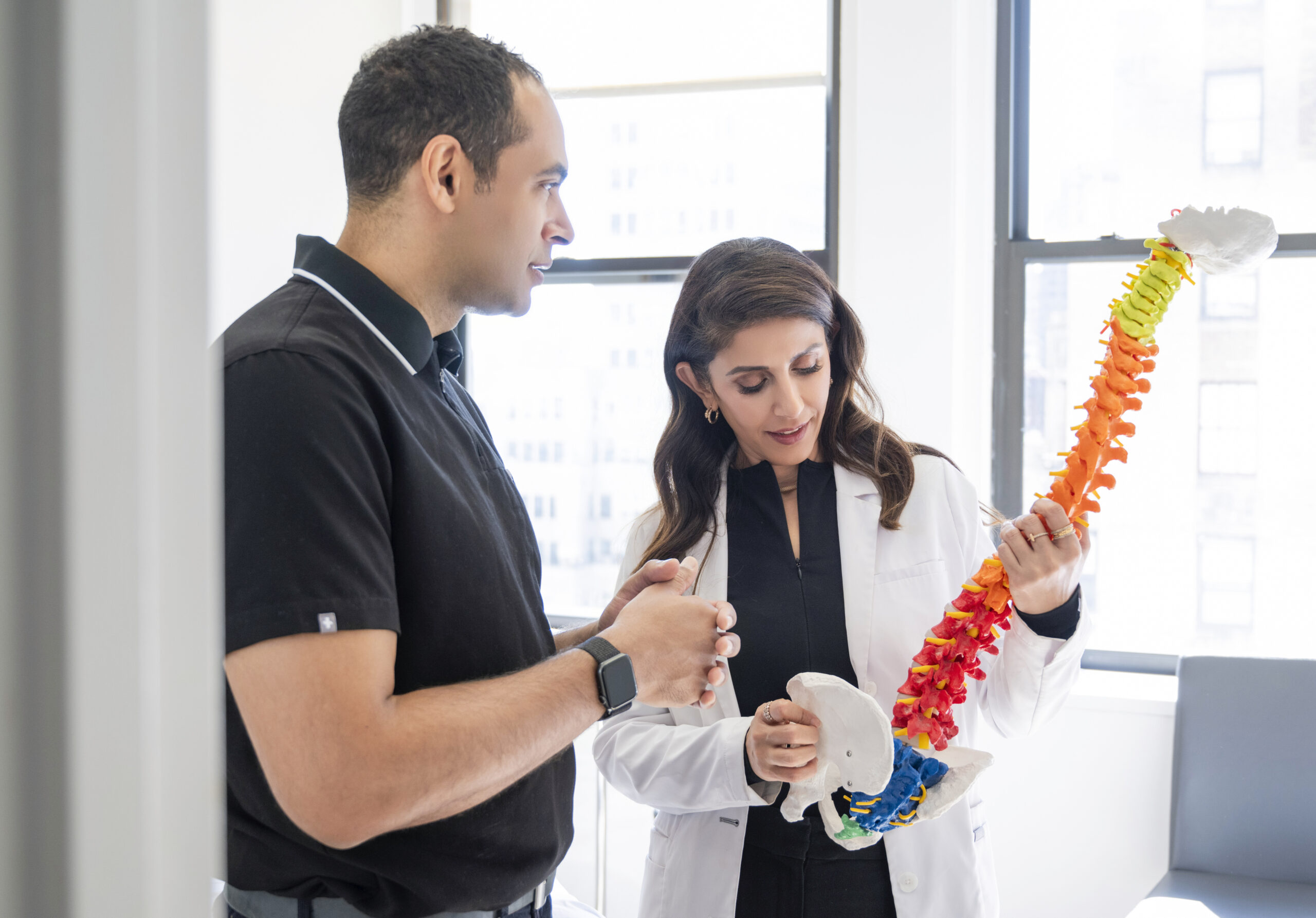
Patients are often surprised to learn that imaging findings alone do not determine treatment recommendations. During your evaluation, I carefully assess:
Understanding the complete clinical picture allows me to determine whether regenerative treatment may be appropriate. Successful treatment starts with identifying the true source of symptoms.
I believe accurate diagnosis is the foundation of effective regenerative orthopedic care and long-term hip health. — Dr. Sonali Lal, M.D.
What Is Stem Cell Therapy for Labral Tears?
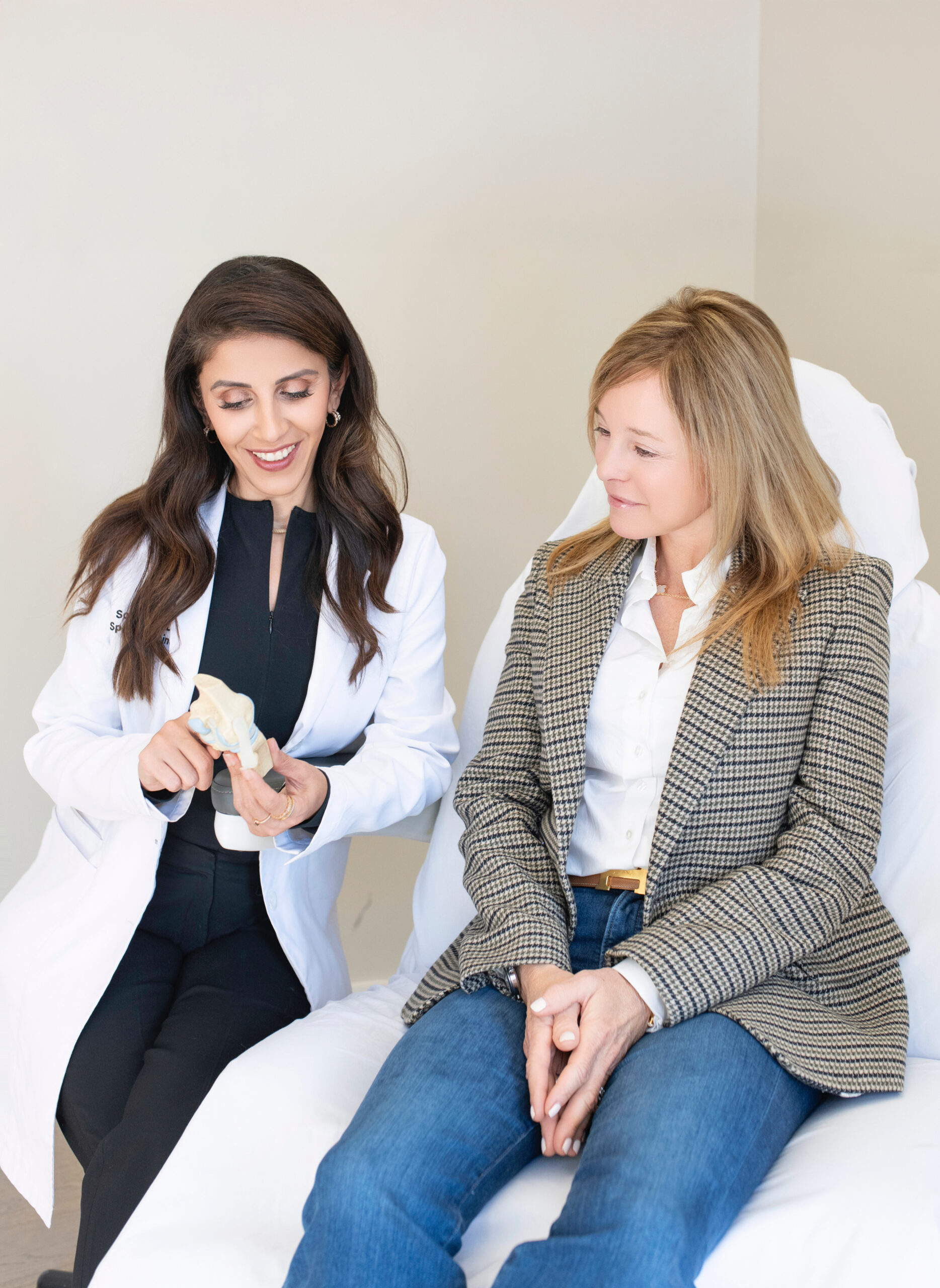
When patients search for stem cell therapy, they are typically referring to regenerative orthopedic procedures that utilize biologic materials obtained from their own body. In orthopedic medicine, this most commonly involves Bone Marrow Aspirate Concentrate (BMAC).
Bone marrow contains a rich mixture of:
Step 1: Bone Marrow Collection
Bone marrow is carefully collected using specialized techniques.
Step 2: Processing
The sample is processed to concentrate biologically active components.
Step 3: Image-Guided Placement
Using advanced imaging technology, the concentrated biologic material is precisely delivered to the targeted area.
The objective is to support the body's natural healing environment. Unlike treatments designed solely to reduce inflammation, regenerative procedures aim to address the biologic environment within injured tissues.
I utilize advanced regenerative medicine techniques and carefully evaluate whether biologic treatments are appropriate for each patient's condition and treatment goals. — Dr. Sonali Lal, M.D.
Who May Be a Candidate for Stem Cell Therapy for a Labral Tear?
Not every patient with a labral tear is a candidate for regenerative treatment. Determining candidacy requires a detailed evaluation.
Factors I consider include:
Patients frequently seek consultation because they want to:
The decision to pursue regenerative treatment should always be individualized.
I develop personalized treatment recommendations because every patient's hip condition, lifestyle, and goals are unique. — Dr. Sonali Lal, M.D.
Why Many Upper West Side Patients Seek Non-Surgical Treatment Options
Many patients living on the Upper West Side lead active lifestyles. Whether walking through Riverside Park, exercising in Central Park, commuting throughout Manhattan, or maintaining an active fitness routine, hip pain can significantly interfere with everyday life.
Common concerns I hear include:
These concerns are understandable. While surgery remains appropriate for some patients, many individuals first want to explore conservative and regenerative treatment options.
Patients throughout the Upper West Side often seek regenerative treatments because they want to:
The goal is not simply to avoid surgery. The goal is finding the treatment strategy that best aligns with the patient's condition and lifestyle.
I help patients throughout the Upper West Side explore evidence-based treatment strategies designed to support mobility, function, and long-term joint health. — Dr. Sonali Lal, M.D.
Advanced Non-Surgical Hip Stabilization
The hip is a deep and anatomically complex joint. When performing regenerative procedures, precision matters tremendously.
Why Precision Matters:
Successful treatment depends on: Accurate diagnosis, Proper patient selection, Precise procedural technique, and Appropriate imaging guidance.
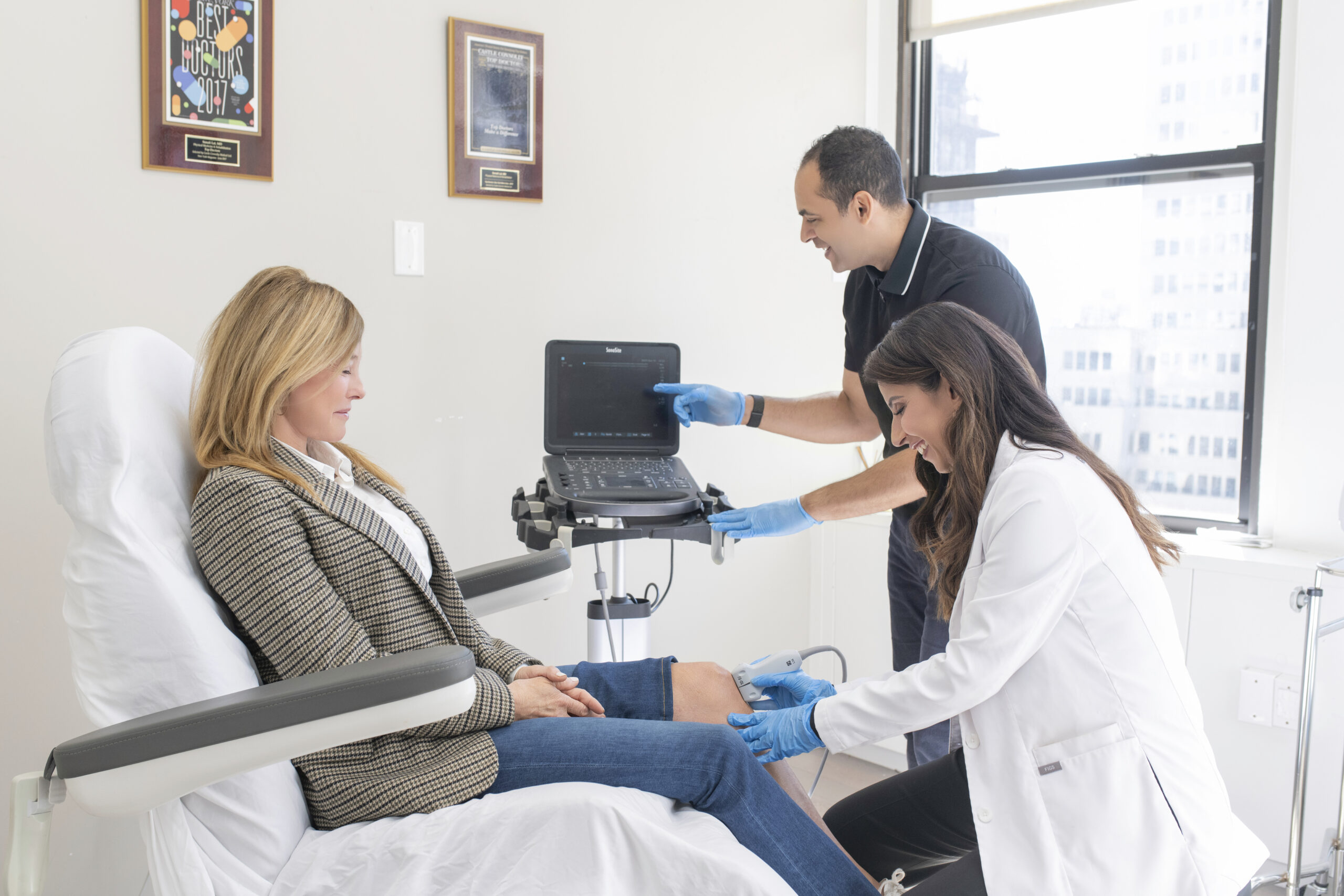
I utilize advanced image-guided techniques to visualize:
Image guidance helps ensure treatment is delivered accurately and safely. Patients are often surprised to learn how important precision is when performing regenerative orthopedic procedures.
My Comprehensive Approach:
Regenerative medicine is only one component of a successful treatment strategy. When patients seek stem cell therapy for labral tears, I focus on creating a comprehensive treatment plan that addresses both symptoms and function.
Depending on the individual patient, treatment recommendations may include:
The goal is not simply to reduce symptoms. The goal is helping patients move more comfortably, remain active, and improve long-term function.
I utilize advanced image-guided techniques designed to maximize procedural accuracy, safety, and individualized patient care, and I create individualized treatment plans designed to support both short-term improvement and long-term musculoskeletal health. — Dr. Sonali Lal, M.D.
Why Patients Choose Dr. Sonali Lal for Regenerative Hip Care
With more than 20 years of experience in musculoskeletal medicine, regenerative orthopedics, and interventional procedures, I bring extensive expertise to the evaluation and treatment of complex hip conditions.
Patients appreciate my commitment to thorough evaluations, personalized treatment plans, evidence-based medicine, advanced image-guided procedures, and compassionate patient-centered care.
Every patient deserves a thoughtful evaluation and a treatment strategy tailored to their specific diagnosis, goals, and lifestyle.
— Dr. Sonali Lal, M.D.Board-Certified Physiatrist
Certified specialist with more than 20 years of clinical experience
Attending Physician
NewYork–Presbyterian Hospital
Assistant Clinical Professor
Columbia University
Castle Connolly Best Doctors
Recognized as “Best Woman in Medicine”
Published Author & Contributor
Published author in regenerative and interventional orthopedics; Author of the "Intraosseous Injections" chapter in the Atlas of Interventional Orthopedics
Upper West Side, Manhattan
Providing cutting-edge, non-surgical sports medicine, interventional orthopedics, and musculoskeletal care in Manhattan.
Patient Testimonials & Videos
Real experiences from patients treated at our Upper West Side clinic.
Google Business Reviews
Frequently Asked Questions About Stem Cell Therapy for Labral Tears
The term generally refers to regenerative orthopedic procedures that utilize biologic materials derived from the patient's own body, often including bone marrow-derived cellular components.
Some patients with labral injuries seek evaluation for regenerative treatment options as part of a comprehensive non-surgical management plan.
Not necessarily. Treatment recommendations depend on symptoms, imaging findings, functional limitations, and individual goals.
A comprehensive evaluation including a physical examination, imaging review, and discussion of your goals is necessary to determine candidacy.
Labral tears may occur alongside femoroacetabular impingement (FAI), hip instability, cartilage degeneration, tendon disorders, and other hip conditions.
Explore Other Conditions We Treat
Explore Our Full Range of Services
Schedule Your Consultation
Contact us today to schedule your evaluation at our Upper West Side clinic. Dr. Sonali Lal, M.D. will personally review your case and create an individualized treatment plan to address your hip pain.
New York, NY 10023
Request an Appointment
Fill out the form below and our team will be in touch shortly.