Tarsal Tunnel Syndrome Treatment on the Upper West Side
A Personalized, Precision-Based Approach by Dr. Sonali Lal, M.D.

I am Dr. Sonali Lal, M.D., a board-certified physiatrist with over 20 years of experience in nerve and musculoskeletal conditions, and I specialize in diagnosing and treating tarsal tunnel syndrome using precise, non-surgical care here in Manhattan.
When you come to see me with burning, tingling, or numbness along the bottom of your foot or around your ankle, one of the key conditions I evaluate is tarsal tunnel syndrome. Many of my patients across the Upper West Side and NYC describe symptoms that worsen with prolonged standing, walking, or activity, often interfering with daily life.
Tarsal tunnel syndrome occurs when the tibial nerve is compressed as it travels through a narrow space along the inside of your ankle called the tarsal tunnel. This compression can lead to nerve irritation and a range of sensory symptoms.
What I want you to understand is this. Tarsal tunnel syndrome is a nerve condition that requires precise diagnosis and targeted treatment to address the underlying cause of compression.
"I regularly evaluate and treat nerve-related foot conditions at my Upper West Side clinic, helping patients across Manhattan and NYC regain comfort and function without unnecessary surgery."
Accurate Diagnosis and Evaluation
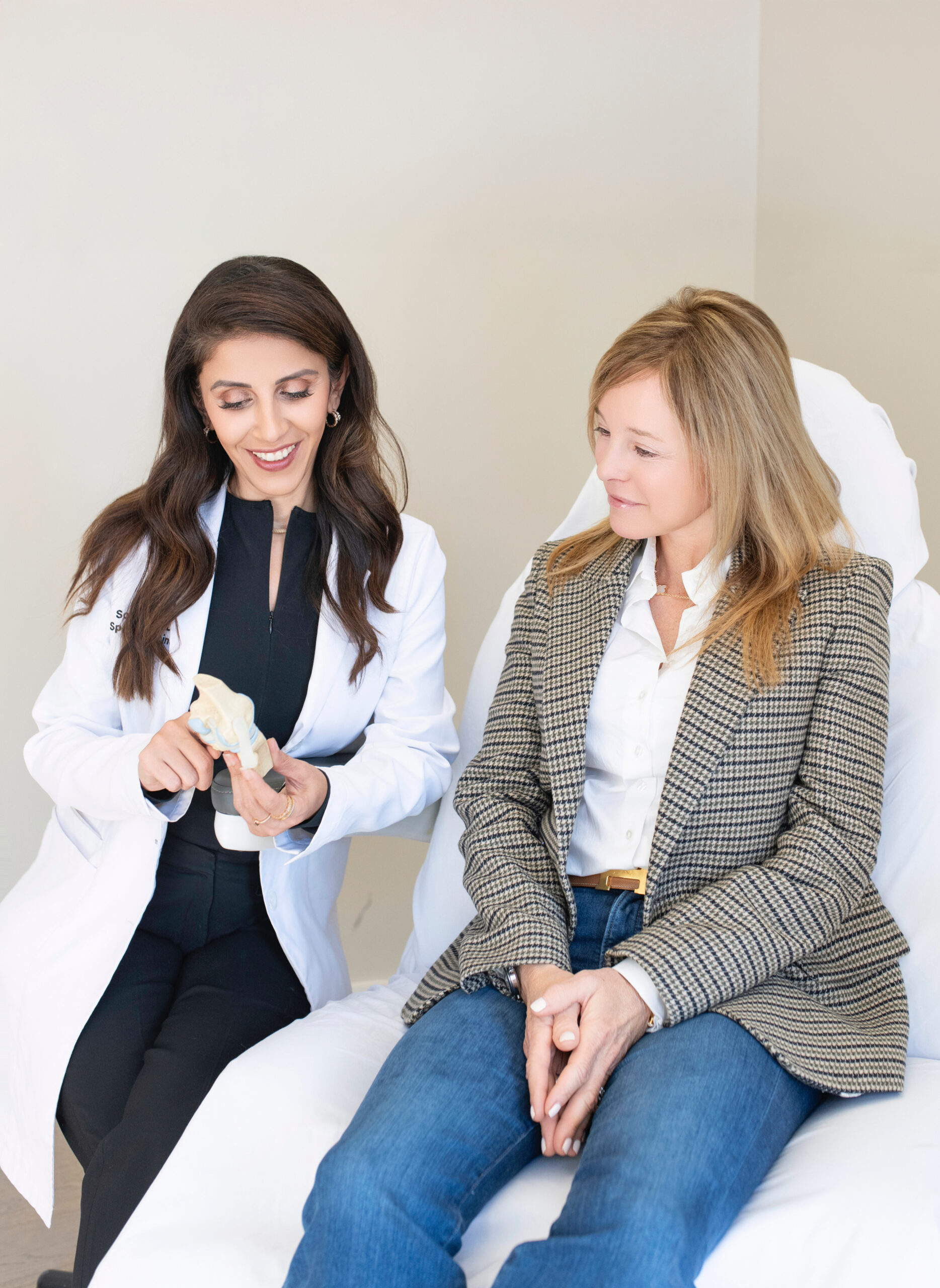
I use my expertise as an Attending Physician at NewYork–Presbyterian Hospital and Assistant Clinical Professor at Columbia University to accurately diagnose tarsal tunnel syndrome and distinguish it from other causes of foot pain.
Foot pain can originate from multiple sources, including plantar fasciitis, nerve irritation from the spine, or localized foot conditions. That is why an accurate diagnosis is essential.
When you sit with me, I perform a detailed evaluation that includes:
- • Understanding your symptom pattern and daily activity in NYC
- • Assessing nerve sensitivity and distribution of symptoms
- • Evaluating foot mechanics and alignment
- • Performing specific tests that stress the tibial nerve
Tarsal tunnel syndrome typically presents as:
In Manhattan, I often see patients whose symptoms are influenced by prolonged walking, standing, or foot mechanics.
"I take the time to carefully evaluate each patient at my Manhattan practice to ensure we are identifying the true source of your symptoms."
Targeted Conservative Care
I focus on non-surgical treatment because many cases of tarsal tunnel syndrome improve with the right approach.
My goal is to reduce pressure on the tibial nerve and restore normal function.
Your treatment plan is always individualized and may include:
- • Activity modification to reduce nerve irritation
- • Footwear adjustments to improve support
- • Orthotics when appropriate
- • Targeted exercises to improve nerve mobility and foot mechanics
In NYC, where walking is a daily necessity, it is important to create a treatment plan that allows you to remain active while reducing strain on the nerve.
This approach helps you recover without completely disrupting your routine.
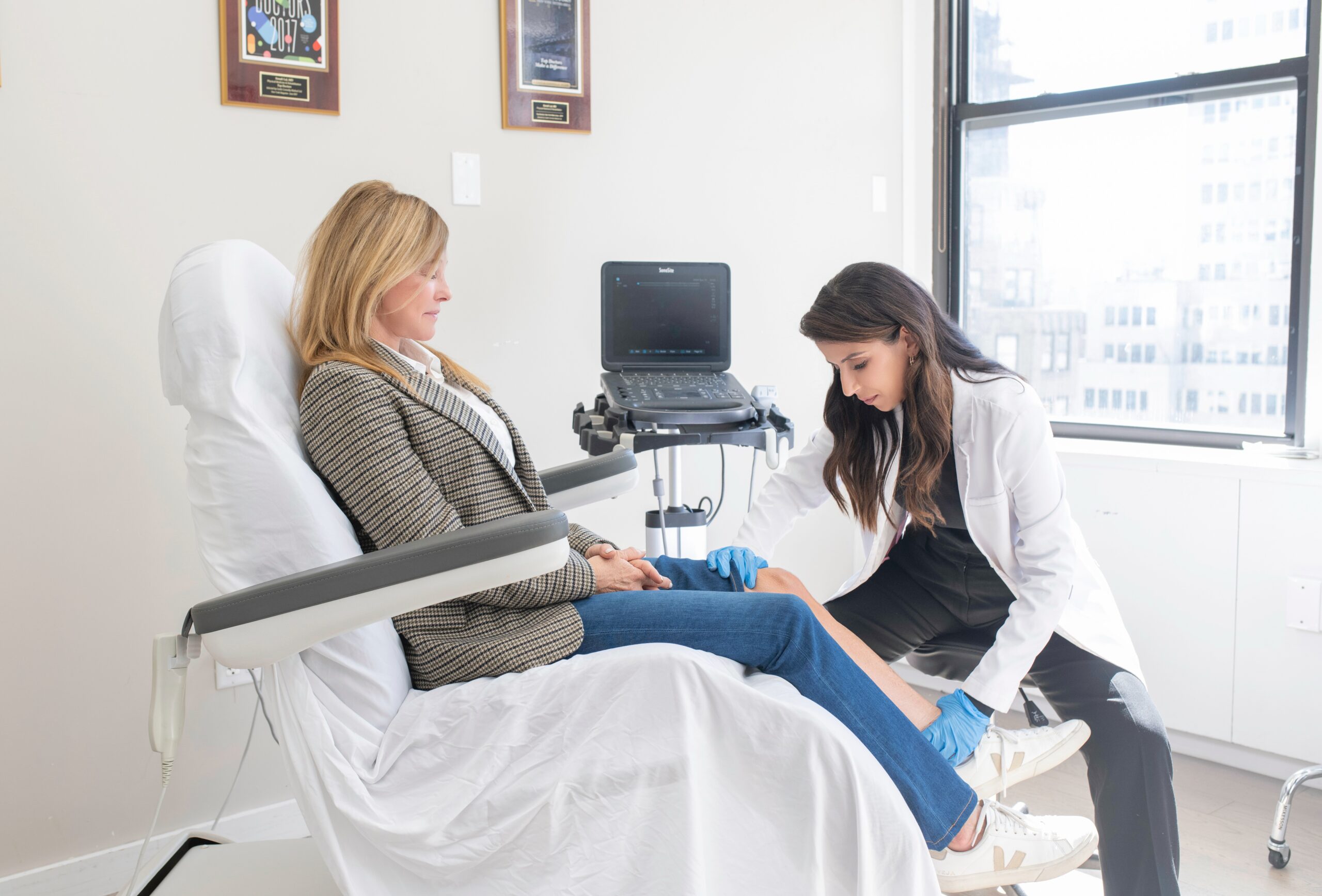
"I design personalized treatment plans at my Upper West Side clinic that help patients improve symptoms while maintaining their daily activities in Manhattan."
Schedule your personalized evaluation with Dr. Sonali Lal today.
Advanced Interventional Relief

I provide advanced, image-guided treatments such as targeted injections and nerve hydrodissection when symptoms persist.
For patients with persistent or more severe symptoms, I may recommend advanced interventions.
These may include:
- • Ultrasound-guided targeted injections to reduce inflammation around the nerve
- • Nerve hydrodissection to release the nerve from surrounding structures
These procedures are performed with precision using imaging guidance to ensure accuracy and effectiveness.
As a specialist in interventional orthopedics, I bring advanced expertise to every procedure.
"I perform all nerve-related procedures with image guidance at my Manhattan clinic to ensure safety, precision, and optimal outcomes."
Daily Habits and Sustainable Changes
I evaluate how your daily habits in NYC contribute to tarsal tunnel syndrome and guide you toward sustainable changes.
Tarsal tunnel syndrome is often influenced by how you walk, stand, and support your feet throughout the day.
During your evaluation, I assess:
Small changes can significantly reduce nerve compression and improve your symptoms.
This may include: Wearing supportive footwear, Modifying activity levels, and Incorporating specific exercises.
My goal is to help you stay active while protecting your nerve.
"I regularly work with patients across the Upper West Side and Manhattan to improve foot mechanics and reduce strain on the tibial nerve."
Focusing on Long-Term Nerve Health
I emphasize long-term nerve health so that your symptoms do not return. Relieving nerve compression is only part of the process. Long-term success depends on addressing the underlying factors.
My approach focuses on:
- • Improving nerve mobility
- • Strengthening supporting muscles
- • Reducing repetitive strain
- • Preventing recurrence
Patients who follow a structured plan often experience lasting improvement. I remain actively involved in your care to ensure continued progress.
"I work closely with my patients at my Upper West Side clinic to support long-term recovery and prevent recurrence of tarsal tunnel syndrome."
Navigating the Decision for Surgery
I help you understand when surgical intervention may be necessary.
While many cases improve with non-surgical care, surgery may be considered if symptoms are severe or persistent.
My role is to guide you honestly and ensure that all conservative options are explored first. If surgery becomes necessary, I will ensure that you understand your options and are referred appropriately.
"I guide patients at my Manhattan practice through every stage of their care, ensuring they feel confident in their treatment decisions."
Expertise You Can Trust
I bring recognized expertise, academic leadership, and a patient-centered approach to treating nerve conditions in NYC.
With more than 20 years of experience in musculoskeletal and nerve conditions, I have treated a wide range of complex nerve disorders affecting the lower extremities.
My credentials include:
Patients across NYC trust my approach because it is precise, evidence-based, and tailored to each individual.
"I bring my full clinical expertise and dedication to patient care to every individual I treat at my Upper West Side clinic."
I provide accessible, expert tarsal tunnel syndrome treatment right here on the Upper West Side for patients throughout NYC.
If you are experiencing burning, tingling, or numbness in your foot, it is important to have it evaluated properly. Tarsal tunnel syndrome can often be managed effectively with the right treatment plan.
From your first visit, my focus is on understanding your symptoms, identifying the cause, and guiding you through a plan that restores your comfort and function.
You deserve care that is precise, personalized, and aligned with your lifestyle.
"I see patients at my Upper West Side clinic and help individuals across NYC recover from tarsal tunnel syndrome with expert, non-surgical care focused on long-term relief and function."
Frequently Asked Questions About Tarsal Tunnel Syndrome
Find answers to common questions about symptoms, diagnosis, and non-surgical treatments.
Call Us TodayWhat is tarsal tunnel syndrome?
Tarsal tunnel syndrome is a condition where the tibial nerve is compressed at the ankle, leading to pain, tingling, and numbness in the foot.
"I diagnose and treat this condition at my Upper West Side clinic using a detailed clinical evaluation and targeted care plan."
— Dr. Sonali Lal, M.D.
What causes tarsal tunnel syndrome?
It can be caused by foot mechanics, injury, swelling, or conditions that increase pressure on the nerve.
"I evaluate contributing factors at my Manhattan practice to ensure a comprehensive treatment approach."
— Dr. Sonali Lal, M.D.
Can it be treated without surgery?
Yes. Many cases improve with non-surgical treatment, including therapy, orthotics, and targeted interventions.
"I focus on non-surgical care at my Upper West Side clinic to help patients recover effectively."
— Dr. Sonali Lal, M.D.
How long does recovery take?
Recovery time varies, but many patients improve within weeks to months with proper treatment.
"I guide patients through each stage of recovery at my Manhattan clinic to ensure steady progress."
— Dr. Sonali Lal, M.D.
When is surgery needed?
Surgery is considered when symptoms are severe or do not improve with conservative care.
"I help patients at my Upper West Side clinic understand their options and make informed decisions about their care."
— Dr. Sonali Lal, M.D.
What Our Patients Say
Take the First Step Toward Recovery
Fill out the form below to request a comprehensive evaluation with Dr. Sonali Lal on the Upper West Side.