Frozen Shoulder Treatment on the Upper West Side
A Personalized Approach by Dr. Sonali Lal, M.D.
I am Dr. Sonali Lal, M.D., a board-certified physiatrist with over 20 years of experience in musculoskeletal and shoulder conditions, and I specialize in diagnosing and treating frozen shoulder using precise, non-surgical care here in Manhattan.
When you come to see me with shoulder stiffness that seems to be getting worse over time, especially if simple movements like reaching, dressing, or lifting your arm have become difficult, one of the key conditions I evaluate is frozen shoulder, also known as adhesive capsulitis.
Many of my patients across the Upper West Side and NYC describe a gradual loss of motion that feels different from a typical shoulder injury. It is not just pain. It is stiffness that limits how your shoulder moves in every direction.
Frozen shoulder occurs when the capsule surrounding the shoulder joint becomes inflamed and tight, restricting movement. Over time, this can significantly impact your daily activities.
What I want you to understand is this. Frozen shoulder follows a predictable pattern, but with the right treatment, we can guide your recovery and improve your outcome.
"I regularly evaluate and treat frozen shoulder at my Upper West Side clinic, helping patients regain motion and function through structured, non-surgical care."
Accurate Diagnosis and Evaluation
I use my expertise as an Attending Physician at NewYork–Presbyterian Hospital and Assistant Clinical Professor at Columbia University to accurately diagnose frozen shoulder and distinguish it from other shoulder conditions.
Shoulder pain and stiffness can come from multiple causes, including rotator cuff injuries, arthritis, or impingement. That is why an accurate diagnosis is essential.
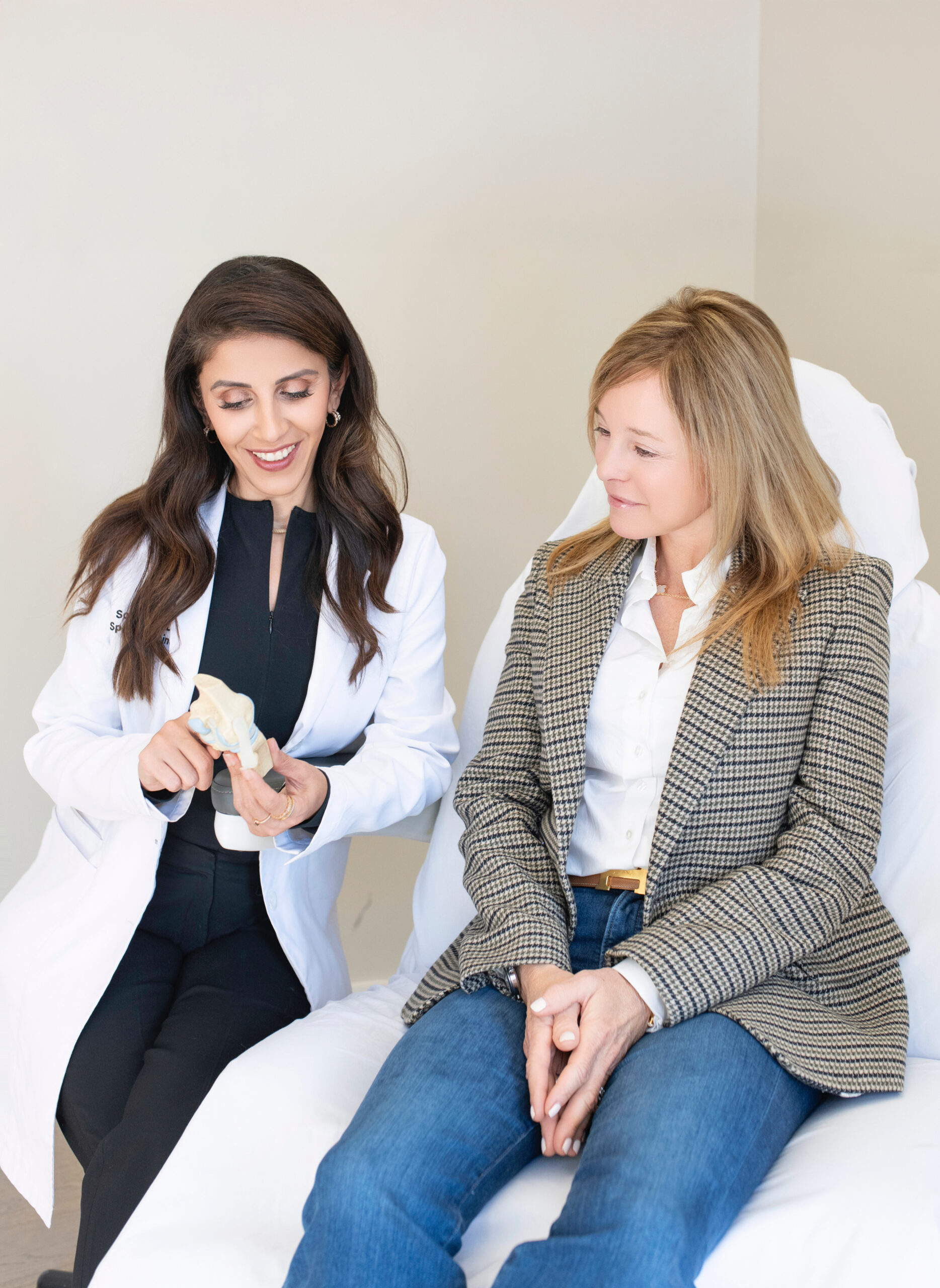
When you sit with me, I perform a detailed evaluation that includes:
- • Understanding how your symptoms developed
- • Assessing your range of motion in all directions
- • Evaluating pain patterns and stiffness
- • Identifying whether movement is restricted both actively and passively
Frozen shoulder typically presents as:
One of the key features is that both active and passive movement are limited. This helps distinguish frozen shoulder from other conditions.
I may use imaging when needed, but the diagnosis is primarily clinical.
"I take the time to perform a thorough evaluation at my Manhattan practice to ensure that your diagnosis is accurate and your treatment plan is appropriate."
The Three Stages of Recovery
I guide patients through the three stages of frozen shoulder with a structured and individualized treatment approach. Frozen shoulder typically progresses through three stages, and understanding these stages helps guide treatment:
Freezing Stage
Pain increases and movement becomes more limited.
Frozen Stage
Pain may decrease, but stiffness remains significant.
Thawing Stage
Movement gradually improves over time.
Each stage requires a different approach. My role is to tailor your treatment based on where you are in this process. This is not a condition where one approach fits all. Timing and technique are critical.
"I carefully assess the stage of frozen shoulder at my Upper West Side clinic to ensure that treatment is appropriate and effective for your condition."
Targeted Conservative Care
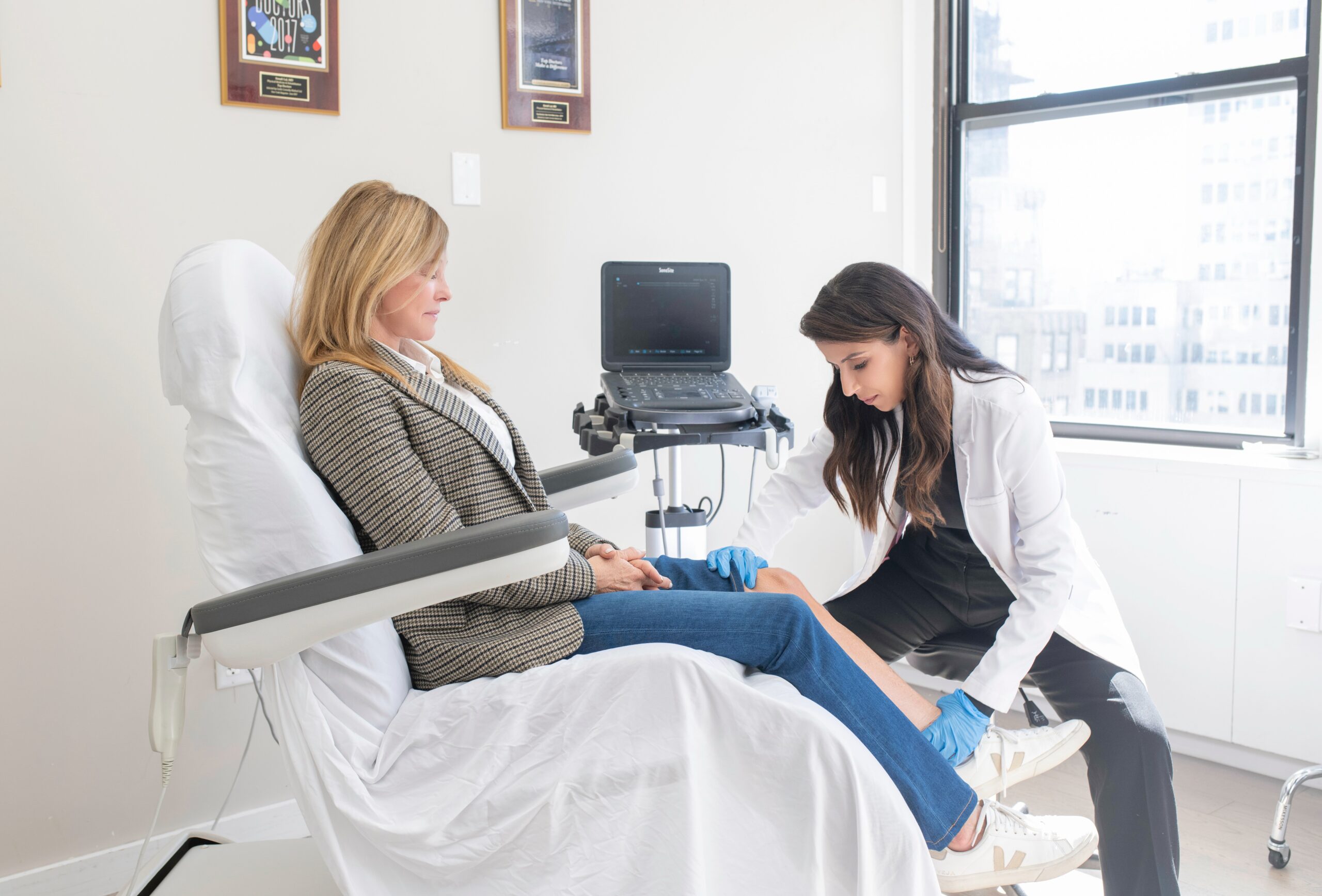
I focus on non-surgical treatment because frozen shoulder can often be managed effectively with the right combination of therapies.
My approach is centered on reducing pain, improving mobility, and restoring function over time.
Your personalized treatment plan may include:
- • Gentle, targeted physical therapy to improve range of motion
- • Stretching exercises tailored to your stage of recovery
- • Manual therapy techniques to reduce stiffness
- • Activity modification to protect the joint while maintaining movement
Living in NYC, where daily activities require consistent use of your shoulder, it is important to restore function in a way that fits your routine.
I guide you through safe and progressive movement so that you do not aggravate your condition.
"I design individualized treatment plans at my Upper West Side clinic that help patients regain motion while minimizing pain and frustration."
Schedule your personalized evaluation with Dr. Sonali Lal today.
Advanced Interventional Relief
I offer advanced, image-guided treatments such as corticosteroid injections and hydrodilatation to improve mobility and reduce inflammation.
For patients with significant pain or stiffness, I may recommend targeted procedures to accelerate recovery.
These may include:
- • Image-guided corticosteroid injections to reduce inflammation
- • Hydrodilatation, a technique that gently expands the joint capsule to improve mobility
These procedures are performed with precision using imaging guidance to ensure accuracy and effectiveness.

As a specialist in interventional orthopedics and a contributor to the Atlas of Interventional Orthopedics, I bring advanced expertise to these treatments.
"I perform all shoulder procedures with image guidance at my Manhattan clinic to ensure safety, precision, and optimal outcomes."
Daily Habits and Sustainable Changes
I help patients across the Upper West Side and Manhattan understand how daily habits and underlying conditions influence frozen shoulder.
Frozen shoulder is often associated with certain risk factors, including:
In NYC, I also see patients whose symptoms are influenced by prolonged desk work and limited movement.
During your evaluation, I assess:
- • Your daily activity patterns
- • Your posture and shoulder mechanics
- • Any underlying medical conditions
- • Factors that may be contributing to stiffness
Understanding these elements allows me to create a more effective and personalized treatment plan.
"I regularly work with patients across Manhattan to identify contributing factors and support a more complete recovery."
Focusing on Long-Term Recovery
I emphasize long-term recovery so that you regain full function and prevent future stiffness.
Frozen shoulder can be frustrating because it takes time to resolve. However, with the right guidance, most patients experience significant improvement.
My approach focuses on:
- • Gradually restoring full range of motion
- • Strengthening the shoulder muscles
- • Preventing compensatory movement patterns
- • Supporting long-term joint health
Consistency is key. I work closely with you to ensure that your progress continues at each stage of recovery.
"I work closely with my patients at my Upper West Side clinic to ensure steady improvement and long-term recovery from frozen shoulder."
Navigating Advanced Treatments
I help you understand when more advanced intervention may be necessary.
In most cases, frozen shoulder improves with non-surgical care. However, in rare situations where progress is limited, additional interventions may be considered.
My role is to guide you through your options and ensure that any decision is made with a clear understanding of the benefits and risks. Patients value having a physician who takes the time to explain each step of the process.
"I guide patients at my Manhattan practice through every stage of their care, ensuring they feel informed and confident in their treatment decisions."
Expertise You Can Trust
I bring recognized expertise, academic leadership, and a patient-centered approach to treating frozen shoulder in NYC.
With more than 20 years of experience in musculoskeletal medicine, I have helped many patients recover from frozen shoulder and regain their mobility.
My credentials include:
Patients across NYC trust my approach because it is thorough, precise, and tailored to each individual.
"I bring my full clinical expertise and dedication to patient care to every individual I treat at my Upper West Side clinic."
I provide accessible, expert frozen shoulder treatment right here on the Upper West Side for patients throughout NYC.
If you are experiencing shoulder stiffness that is limiting your daily activities, it is important to have it evaluated properly. Frozen shoulder can be managed effectively with the right treatment plan.
From your first visit, my focus is on understanding your symptoms, identifying the stage of your condition, and guiding you through a plan that restores your mobility and function.
You deserve care that is precise, personalized, and aligned with your lifestyle.
"I see patients at my Upper West Side clinic and help individuals across NYC recover from frozen shoulder with expert, non-surgical care focused on long-term relief and function."
Frequently Asked Questions About Frozen Shoulder
What is frozen shoulder?
Frozen shoulder, or adhesive capsulitis, is a condition where the shoulder joint becomes stiff and painful due to inflammation and tightening of the joint capsule.
"I diagnose and treat frozen shoulder at my Upper West Side clinic using a detailed clinical evaluation and individualized care plan."
— Dr. Sonali Lal, M.D.
What causes frozen shoulder?
It can be associated with conditions such as diabetes, thyroid disorders, or prolonged immobility. In many cases, the exact cause is not clearly identified.
"I evaluate underlying risk factors at my Manhattan practice to ensure a comprehensive approach to treatment."
— Dr. Sonali Lal, M.D.
How long does frozen shoulder last?
The condition typically progresses through stages and can last from several months to over a year. With proper treatment, recovery can be improved.
"I guide patients through each stage of recovery at my Upper West Side clinic to ensure steady progress."
— Dr. Sonali Lal, M.D.
Is frozen shoulder treatable without surgery?
Yes. Most cases can be managed effectively with non-surgical treatment, including therapy and targeted interventions.
"I focus on non-surgical care at my Manhattan clinic to help patients regain motion and function."
— Dr. Sonali Lal, M.D.
Can frozen shoulder come back?
Recurrence is uncommon but possible. Maintaining mobility and strength can help reduce the risk.
"I work with patients at my Upper West Side clinic to support long-term shoulder health and prevent recurrence."
— Dr. Sonali Lal, M.D.
What Our Patients Say
Take the First Step Toward Recovery
Fill out the form below to request a comprehensive evaluation with Dr. Sonali Lal on the Upper West Side.